In all my books for children, I’ve included uplifting messages that enable parents and kids to start a conversation about being unique, being kind, and being unapologetically ourselves. I believe it’s important to begin this conversation at a young age when kids are most impressionable. To get the most out of the books and to have fulfilling conversations with your readers, check out my discussion below on themes and conversation starters for your family.
Kimberly Palmucci
Purr-fectly themes
Being Unique
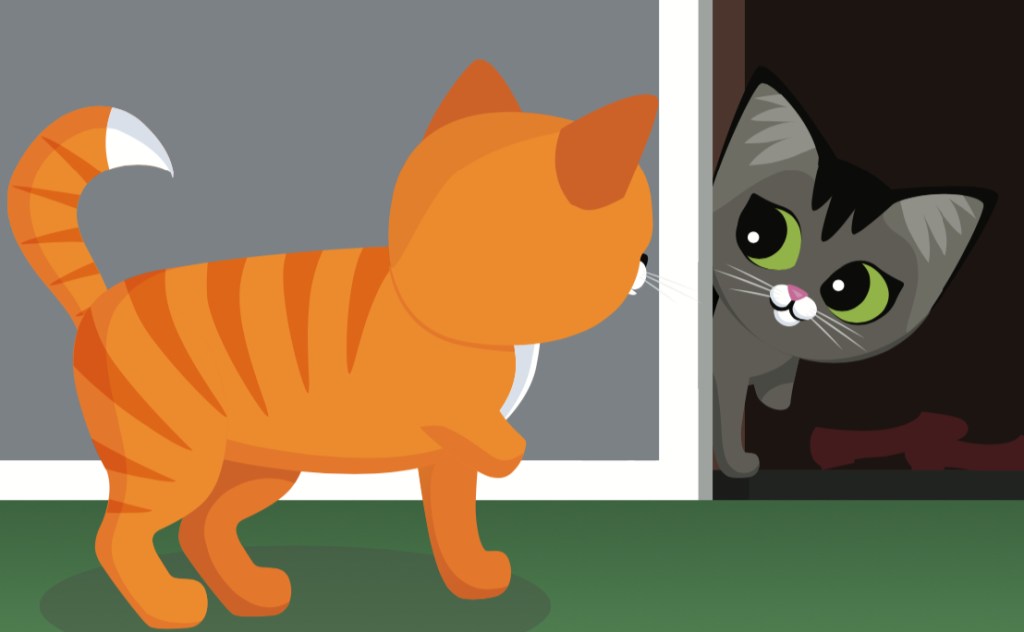
Being different is like having your own special superpower. It’s what makes you…you! We each have unique and interesting perspectives to offer the world; while it’s important to find commonalities with others, one of the most beautiful things that we have in common is that we are all different. Appreciating and finding the value in these differences and learning to appreciate our own differences is a pivotal step in learning empathy, compassion, and humanity. All children are unique, and it’s our job to nurture these amazing qualities.
accepting differences
Accepting differences in others and ourselves is important, but I would be remiss if I didn’t also include the fact that it can be hard. I did not want to write books about being different and not have any sort of struggle or hardship for our main characters. Omitting this struggle would fall short. The “Purr‑fectly” books aim to cultivate empathy and challenge the idea of normal.
conversation starters
- What qualities make Lucky unique? What about the Wise Cat and Princess?
- What are some qualities that make you unique!

shelter pets
In a world overcrowded with homeless pets, adopting is truly the best option. That’s why it’s important to start using language about adoption early‑on when talking to our children about pets. Using language such as adopt instead of buy makes it relatable; animals are not a tool for profit or a product. They are living beings, and the “Purr‑fectly” books introduce children to the idea of a realistic animal shelter. Reading stories about adoption normalizes the process, and children will begin to develop empathy and respect for animals.
conversation starters
- What is an animal shelter?
- Who can adopt from an animal shelter?
moving forward after loss
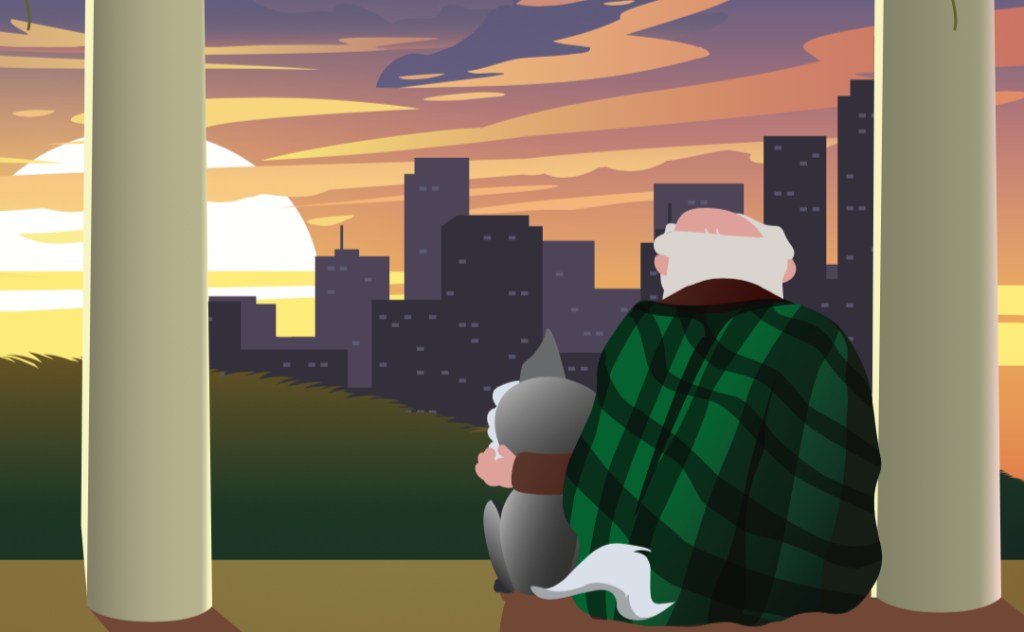
Realizing that each family has its own unique journey, “Purr‑fectly Wise” is written in a way that does not force a conversation about loss, but instead, acts as a catalyst if parents want to start this conversation. The Wise Man’s story is purposefully open‑ended; his fate is never explicitly shared, but instead, readers gather details from the Wise Cat’s perspective. Parents can choose how they want to fill in that storyline depending on their family’s needs. When talking to children about loss, it’s important to be honest and concrete, yet emphasize that there are always ways to move forward.

conquering fears
Lucky is scared of the basement, but when a new friend comes into his life, he feels brave and ultimately decides to challenge his fear. Lucky and Princess empower each other in this way; he helped her feel safe in her new home, and she helped him find bravery within himself to face the basement. This reflects a positive impact of friendship. When helping a child overcome fears, encourage them and be patient. Taking small steps can help them feel more confident; learning to cope with fear is not easy!
conversation starters
- It’s okay to feel scared. Is there anything that scares you?
- What fears have you overcome? How did it make you feel?

making new friends
If we offer authenticity, honesty, and respect to the world around us, we will attract others with the same energy and inevitably form friendships. The “Purr‑fectly” books share what good friends might do for each other and provide an example of how to be a good friend.
sharing kindness
There is a distinctive chain of kindness throughout the “Purr‑fectly” series; in “Lucky,” readers see the Wise Cat offer words of compassion and wisdom to the title character, helping him out of a dark place. In “Wise”, readers then go back in time and gain more insight into the Wise Cat’s mindset when he offered those words of wisdom. He learned kindness at an early age from his rescuer, and in honor of their friendship, he vowed to spread kindness in his own life as well. And in “Home,” the chain comes full circle when Lucky recalls the kindness he’d been offered and chooses to treat Princess with compassion.
conversation starters
- What qualities make a good friend?
- Why was the Wise Cat kind? How did that impact Lucky?
Wormwood themes
shelter pets are not ‘broken’
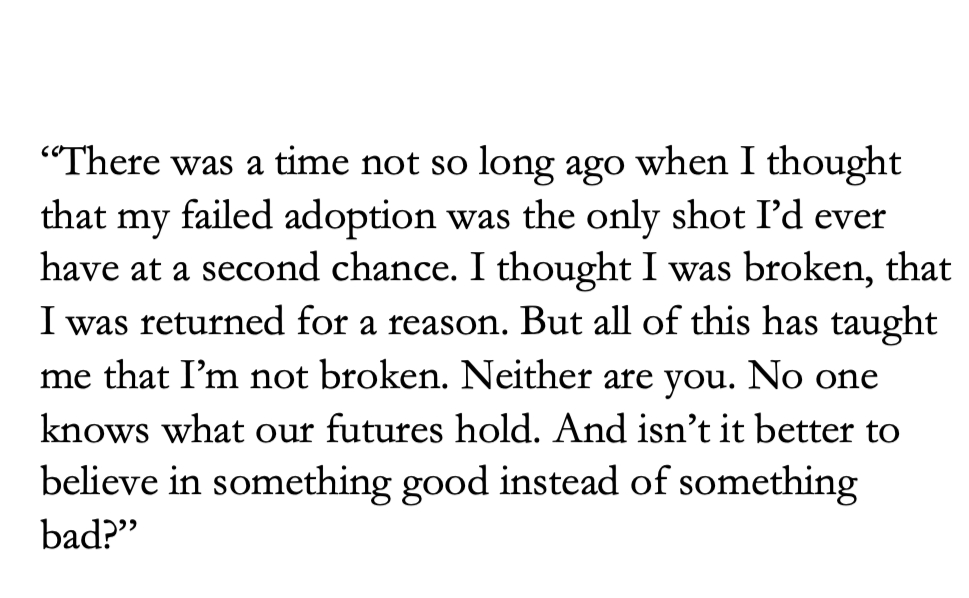
A main inspiration behind the “Wormwood” books is the reality of shelter pets; they are not broken or less because of their circumstance. I’ve heard many different misconceptions about animals in shelters, such as they are “aggressive, broken, unwanted,” and more. Shelter pets have done nothing wrong; they are perfectly good pets, and in “Secret of Lake Falls,” which is set in an animal shelter, I crafted each characters’ story based on real‑life shelter animals. We get a first‑hand glimpse into the journeys that landed these pets in the shelter and the long‑lasting impacts that our choices, as people, can have on the world around us.
faith
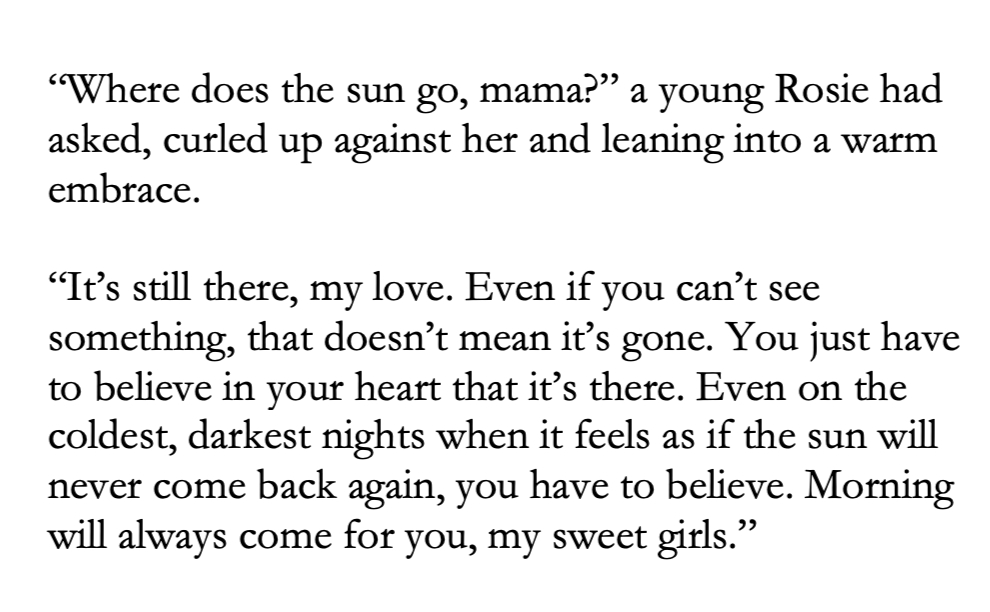
Faith is the biggest ongoing metaphor throughout the “Wormwood” series, and it becomes very tangible in Mayra and Rosie’s storyline with their mother. One scene in particular, the sunset scene in “Cliff’s Edge,” is the height of this concept that “even when you can’t see something, it’s still there.” This becomes a pivotal part of the book. Faith doesn’t have just one meaning, either. It can mean believing in something strongly with no tangible proof, having confidence in a person or thing, or believing in yourself! No matter what, faith is always there.
finding forgiveness
It’s important to make new friends, as the “Purr-fectly” books emphasize, but it’s also important to know that even in friendships, we can experience conflict. And that’s okay! Conflict is normal, and we can control how we react and resolve conflict when it arises. The “Wormwood” books portray all the different dynamics of friendship; everyone is going through their own personal journey, which is often confusing, overwhelming, or hidden from view. Perspective is everything, and having patience, compassion, understanding, and forgiveness can allow friendships to blossom.
conversation starters
- Did you expect Stella and Bethany to become friends? Why or why not?
- Would you have forgiven Oakley? Do you think the animals were right to give him another chance?
resilience
Everyone handles hardship differently. Sometimes, life can be so far out of our control…so, what do we do with that? The animals face hardship in different and realistic ways in the books. Some stay positive, others break down the problems, and others just…break down. All of that is okay! Challenges can lead to opportunities, and through hardship, we can learn resilience and how to become creative problem solvers.
adopting a pet
The “Wormwood” books include a unique first-person perspective for the animals, and when they think about being “adopted,” it evokes feelings of joy and hope within them. Adoption is a very positive thing, and books are an engaging way to teach children about shelter pets and animal adoption.
conversation starters
- What does it mean to “adopt” a pet?
- Why are the pets happy at the idea of being adopted?
the power of a positive mindset
The two main characters in “Wormwood,” Mayra and Rosie, are a beacon of positivity throughout the series. They are able to stay hopeful and grounded in even the trickiest situations. A positive mindset does not mean there’s an absence of hardship, and it does not mean ignoring reality or dismissing how they’re feeling. The sisters feel overwhelmed at times throughout the books, and they get scared and sad, but they always come back to this notion that the world is a good place and their impact on the world is meaningful. Their positivity comes from helping others, focusing on solutions, and having strong morals and values.
misconceptions/good vs. bad
A big question in the “Wormwood” books is, “who is the bad guy?” And it’s interesting, because this can entirely be based on perspective and our own values. The biggest takeaway from the books is that when dealing with conflict, we must listen, reflect, be accountable, and put ourselves in the other’s shoes to truly weigh a situation. We must also be aware of how misconceptions, or our own biases, can impact how we perceive a person or situation.
conversation starters
- What is a misconception?
- Have you ever had a real-life experience with misconceptions? When and where? How did it make you feel?
 Purr-fectly Books
You must be logged in to post a comment.